
How to Earn Attention: Invitation vs. Interruption
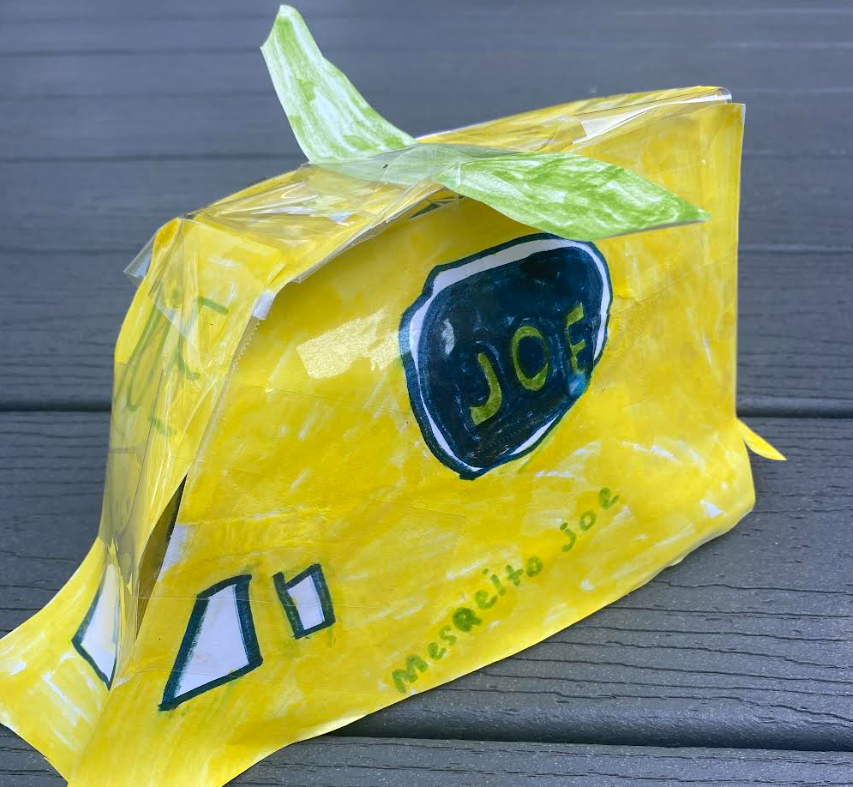
A few years ago, Red Bull came to Cincinnati for its Flugtag event. Teams designed and constructed contraptions that launched off a 30-foot platform over water, aspiring to remain airborne as long as possible. The creativity of themes, costumes, and aerodynamic construction made for a highly entertaining event, which debuted in 1992 and has been held in over 50 countries.
My family was mesmerized by the spectacle, anticipating which teams would plummet into the water and which would sail 30-plus meters into the air before landing. When we returned home, each of my kids set to work designing their own winged concept. The photo above is my son’s idea for a sponsored craft by “Mosquito Joe,” a local mosquito service. Inspired by all things Red Bull, we proceeded to watch a series of captivating extreme-sports videos on YouTube sponsored by the brand. I knew we were being marketed to, but I didn’t care. In fact, I loved it.
The name Flugtag means “Flying Day” in German, and the event is fabulously on brand. Red Bull’s tagline, “Red Bull Gives You Wings,” was coined just a few years after the company’s founding in 1978 and embodies the brand’s high-energy, high-octane ethos.
This event is a perfect example of what I call invitation marketing—a concept that focuses on inviting your customer into a relationship based on curiosity, value, permission, and respect.
What works about invitation marketing is that it perpetuates the Growth Flywheel, a framework that treats customer acquisition as part of a continuous cycle. When we turn the flywheel by creating content, experiences, and communication that delight our audience, we create positive momentum.
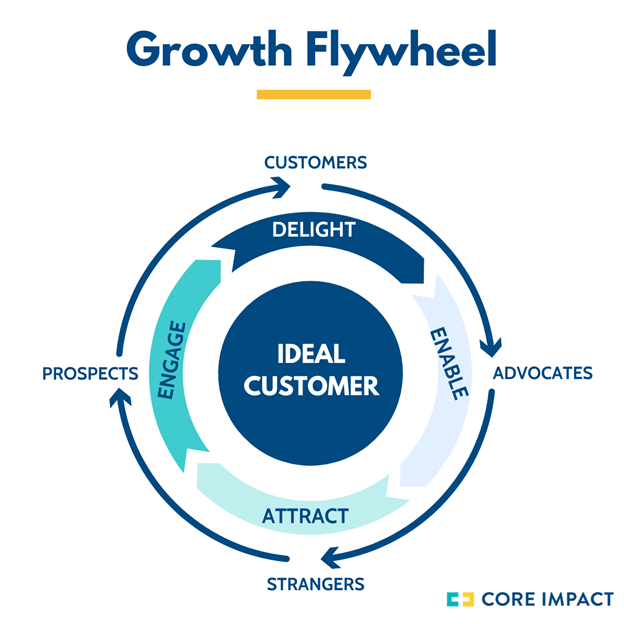
The alternative framework to the growth flywheel is the marketing funnel, which visualizes the customer journey as an inverted triangle. At the top is awareness, the widest part of the triangle, followed by consideration, and the tip of the triangle represents the few that purchase. By treating awareness as the first step in a vacuum, the funnel leads us down this common path:
How do we make people aware of us?
↓
We get their attention.
How do we get their attention?
↓
We interrupt them.
The Cost of Interruption Marketing
When we constantly interrupt people to deliver our message, attention comes before value. Interruption marketing is based on the philosophy that attention can be taken, rather than earned; it’s right, not a privilege. The best way to tell our customers what we offer, according to this approach, is by diverting their attention from something else. The goal is to break routines. We place ads in the middle of magazine articles. We run commercials in the middle of TV shows. We construct billboards to disrupt drives to work.
These tactics aren’t inherently bad, but it’s the branding equivalent of screaming “PAY ATTENTION TO ME!!!” when trying to build a friendship. It’s no surprise that interruption marketing annoys people. That’s why we use ad-blockers, pay for subscriptions that avoid ads, and click “skip ad” as soon as possible.
But we don’t need to depend on interrupting to gain attention. There are countless approaches to attract interest. When I help companies create a marketing plan, they often jump to traditional channels and tactics that push the company’s message to potential buyers – namely, ads. When this happens, I shift the conversation to focus on how to create value through the marketing itself, something that delights, evokes curiosity, and is inherently shareable. Ads can serve as a secondary, supplemental approach built around an invitation strategy.
How to Execute Invitation Marketing
Invitation marketing invites customers into a relationship by putting value ahead of attention. Here are some of my favorite approaches to do just that:
Be Fun: For my first “business” job, I worked in a beer company’s marketing department. Our primary marketing strategy was holding seasonal events where the beer taps flowed nonstop: Oktoberfest, running and biking events, and BBQ competitions. The customers so enjoyed the craft beer and the experiences that they loudly professed their appreciation (perhaps due to intoxication). Competitions, events, and mysterious storylines (e.g. Duolingo’s owl dying) that inject fun into our customers’ lives create memorable, shareable associations for your brand.
Educate: Our customers are constantly seeking information, and content that solves their problem or satisfies their curiosity attracts attention. Content marketing is not a new strategy, but we must constantly remind ourselves that we are serving our customers. It can’t be a one-time transactional exchange of an email address for a webinar or a download. The goal isn’t to obtain permission to contact an individual; it’s to consistently deliver real value that builds a long-term relationship.
Give It Away: This applies to products, services, and expertise. When someone tries your product for free, whether it’s a store sample, a trial of your software, or free expertise, you’re giving them a solution. Yes, we ultimately need to convert unpaid customers into paying customers, but often the desire for short-term profit overshadows opportunities to let potential customers experience our value firsthand, which can be the most effective tool for generating sales. Value first, sale second.
Use Humor: When certain ads come on during football games, my kids jump off the couch and recite them word-for-word because they’re funny. While these are clearly ads, they feel less like interruptions and more like stimulants. We know we’re watching an ad, and my kids are too young to buy whatever it’s selling, but the humor engages us, turning an annoying disruption into an enjoyable experience. Of course, strategy is key. The humor must also communicate the brand’s message, but entertainment can overshadow irritation.
Show Respect: It’s important to ask our customers for permission to subscribe, join an event, or offer value rather than assuming we have the right to email them or sign them up. Honor your customers’ time. Be mindful of tone. Show humility. In particular, if we are interrupting someone through an ad or have no existing relationship (cold email), acknowledging that our tactic interrupts our customer shows we care about them.
Borrow Trust: While I try to avoid most ads, I do listen to the ads from my favorite podcasters. Why? I know these individuals have used the products they promote and are personally vouching for their quality. Because I trust their opinion and am genuinely curious which brands they prefer, I have purchased a number of the products they promote. We can earn attention by earning the trust of someone our customers trust.
Sometimes we need to interrupt to invite. Sometimes we will be irrelevant to people who hear our message. But if we begin to prioritize invitation over interruption, we’ll more effectively get customers to engage in our message and to experience the benefit of our products and services. If we earn their attention, rather than seize it, we’ve taken the more sustainable path to building a business.
Last week, I received an email from someone pitching a guest for my podcast Grow Good. The email mentioned my podcast’s name, a recent guest’s name and quote from their episode, and a thematic connection explaining why the recommended guest was a fit.