
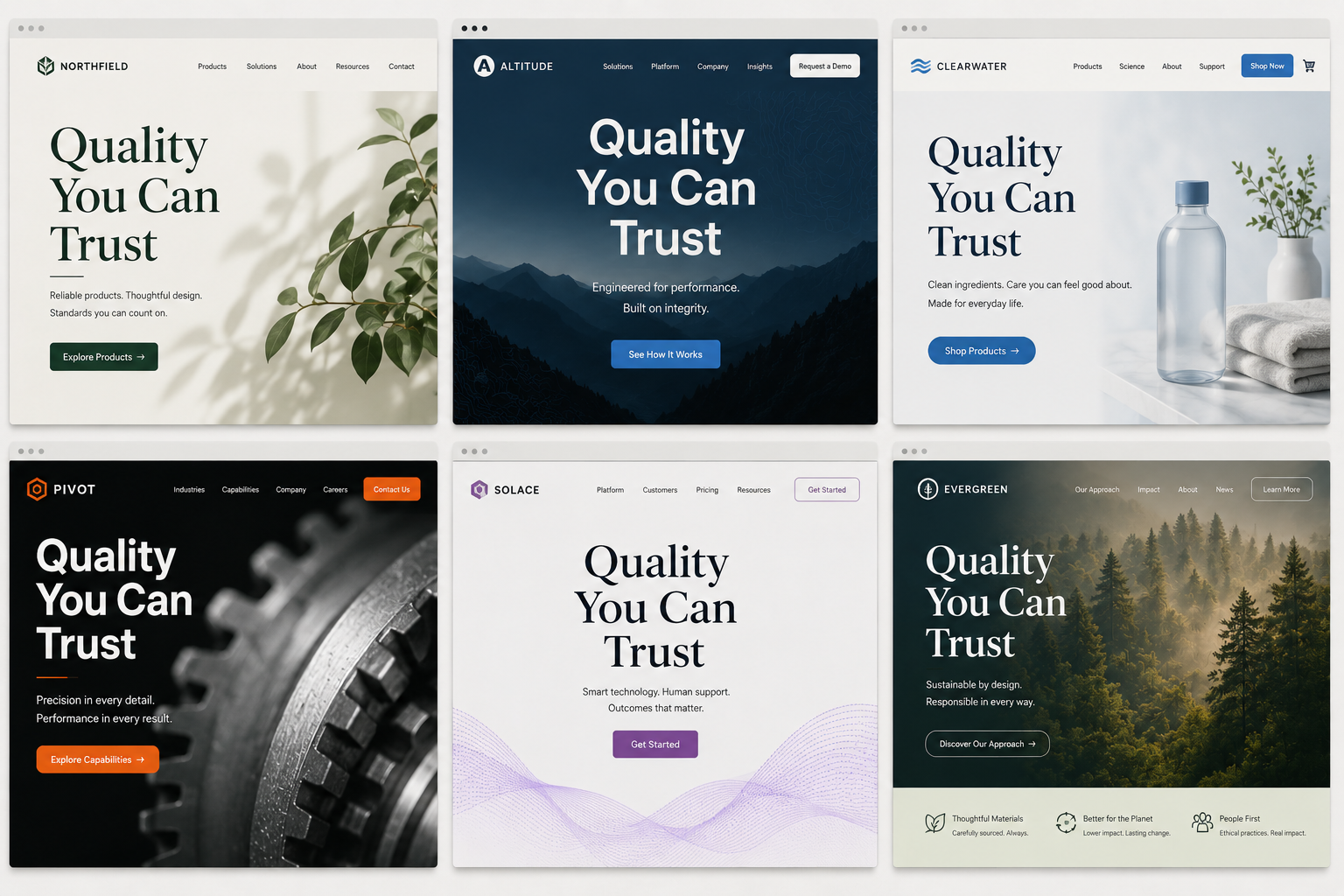
(This image was generated with ChatGPT)
I work with a company that perpetually needs to redefine its story. Two years ago, they launched a differentiated message into the market. Fast-forward to today: nearly all of their competitors are using the same message. The challenge this company faces, alongside so many others, is: how do they differentiate their message when everyone is saying the same thing?
This article is the 3rd in a 4-part series on differentiation, one of the most important yet challenging aspects of telling your story.
Additional articles in this series include:
Part 2: Quality Is Not a Differentiator
Part 4: How to Use Branding as a Differentiator
Marketing expert Seth Godin describes brand value as “the sum total of how much extra people will pay, or how often they choose” one brand over an alternative. Think of the products you buy that are commodities—those in which the brand makes no difference to you. For me, a few examples include airlines, resealable sandwich bags, tissues, and yellow mustard. When a customer perceives products to be interchangeable within a category, they are undifferentiated.
One of the most common differentiation traps is when companies converge on the same messaging. Whether your category has always sounded this way or whether your competitors have recently applied your language, it can feel almost impossible to distinguish yourself. Even when your product or service is superior, if you struggle to communicate those differences, you don’t get recognized for the value you create. There are multiple reasons you could be in this scenario:
Certain benefits or messages are a baseline requirement in a category—everyone talks about those benefits, but no one is differentiated.
A company successfully identifies a differentiated message that resonates in market, and competitors start copying that approach.
Brands repeatedly make exaggerated or unrealized claims, so customers no longer believe those specific promises.
Category norms dictate how certain messaging will look and sound, and everyone is used to doing it that way.
Regulatory requirements limit what companies can say or require them to use standard terminology.
4 Strategies to Set Yourself Apart
Here are four strategies to create differentiation amid uniform industry messaging. These strategies assume you have a functional or emotional difference that is meaningful to the customer. It’s unethical and unsustainable to promise differentiation in an area where you lack it. If there is truly no difference, you could differentiate your brand personality (which we will discuss in more depth in part 4 of this series), or you could invest innovation resources to develop a product or service that gives you a meaningful advantage.
1: Us vs. Them
One of the most effective approaches is to call out what distinguishes you from your competitors. When companies tout the same benefits, it’s hard for customers to distinguish between similar options. However, when you illuminate differences that are not obvious or even visible to your customer, you expose a comparison that reinforces why your option should be the preferred choice.
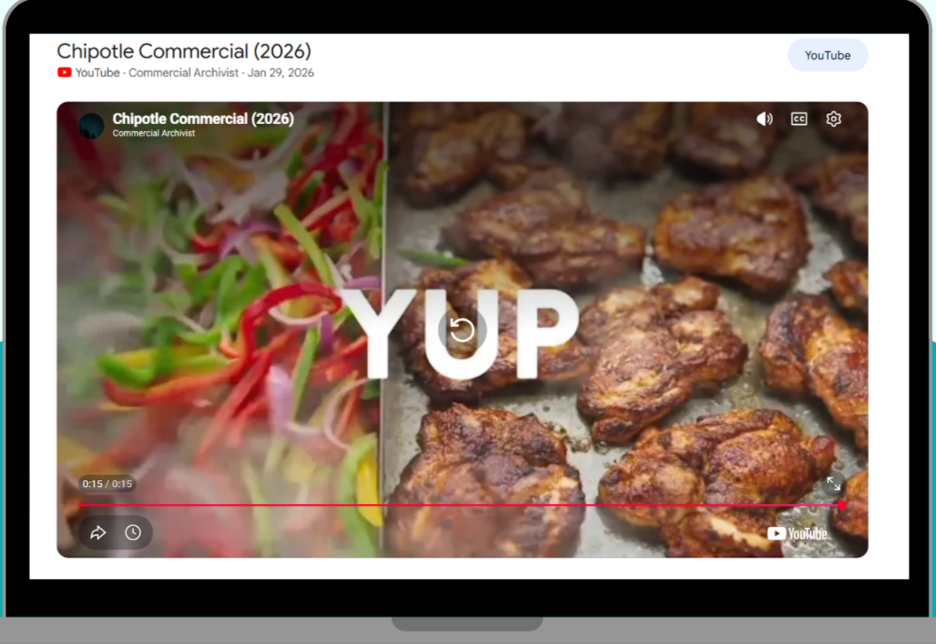
The Us vs. Them approach is used by Chipotle in this ad, which features video of typical fast-food preparation compared to Chipotle’s. Most quick service restaurants use frozen ingredients that are fried, whereas Chipotle prepares fresh vegetables and meats daily. Visualizing what happens behind the scenes exposes or simply reminds customers why they would prefer buying Chipotle because reframes what “fresh” means to customers.
Note: Avoid using competitors’ names or logos, as this gives their brands visibility. Using category norms as a comparison reduces the risk of unintentionally building awareness for competitors.
2: Show vs. Tell
Exclusively using words to describe why your offering is different has limitations. Some differences can only be understood through experience.
Tech companies regularly use “demos” to give potential users insight into how their products work. Product sampling has been a longstanding practice in the food and consumer packaged goods industries. Firsthand experience communicates far more than any words can.
This approach is less about your message and more about designing an environment where the solution or product speaks for itself. It requires building your go-to-market strategy around tactics that showcase the value you create.
What does “showing” look like for your brand?
Video explaining how something works
Taking your customers’ data or situation and doing your own analysis
Free demo or workshop
Product sampling
3: Proven vs. Promised
Messages have no impact if customers don’t believe them. Your competitors might make the same promise, but what information gives your customer higher confidence that you will actually deliver? Your message need not be differentiated in the benefit you provide if you can differentiate your credibility.
What makes your promise more believable than your competitors’?
Amount of experience or years of service
Credentials, affiliations, or endorsements
Third-party testing or certifications
Results or case studies
4: Third Party vs. You
A third party delivering your message is often more compelling than talking about yourself. For this approach to be effective, the third party must be credible, believable, and have influence with your customer. Mega influencers might build awareness but often don’t increase trust because your audience knows they are paid. The most effective advocates have personal experience using your brand and empathize with the same struggles your customers have. Empathy and specificity build credibility.
While this approach makes any list of marketing strategies, it best supports differentiated messaging when paired with the three prior approaches. Encourage the third party to communicate how your brand compares to other options they have tried (“us vs. them”), their personal experience using the product in descriptive, experiential language(“show vs. tell”), and reinforce why your sources of credibility matter or the results they experienced (“proven vs. promised”).
Who are the trusted sources that can deliver your message for you?
Customer testimonials
Industry experts (doctors, scientists, academics)
A podcaster who has used your product or service
Ambassadors sharing their personal experience with your brand
The client that struggled with competitors copying their messaging has leaned into all four of these strategies:
Evolving their messaging to include how their service is different than what competitors offer (Us vs Them)
Adding more data and credentials (e.g., years of experience, volume of business they manage) to convey their level of experience and inspire confidence that they can deliver (Proven vs Promised)
Incorporating more demonstrations of their expertise into the sales process (Show vs. Tell)
Expanding the number of case studies to share with clients, including customer testimonials on video (Third Party vs. You)
To stay differentiated, you must stay close enough to your customer to see their unmet needs evolving as the category evolves. This is how you anticipate market needs before your competitors do. Evolving your story to preserve differentiation while staying consistent with what you stand for over time is a balancing act. Those who can find equilibrium—often enabled by innovation—build a valuable brand that generates demand and premium pricing in the market.
If functional differentiation remains out of reach for your brand, the final article in this series explores a different tactic: how to differentiate based on your brand personality. Stay tuned!
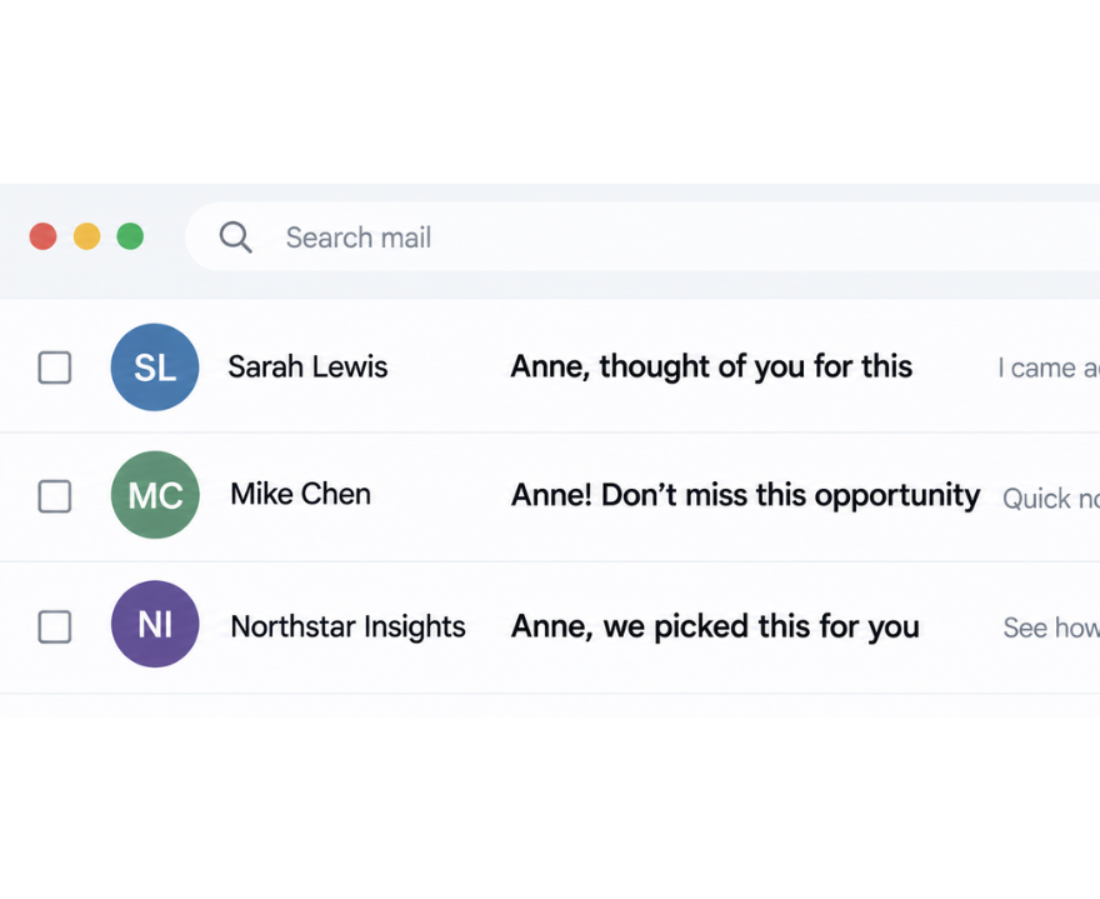
The most common question I get from business leaders is “How do I know if my marketing is working?”