
Branding is a Differentiator (Part 4 of 4)
This is the final article in a 4-part series on differentiation. Additional articles in the series include:
Part 2: Quality Is Not a Differentiator
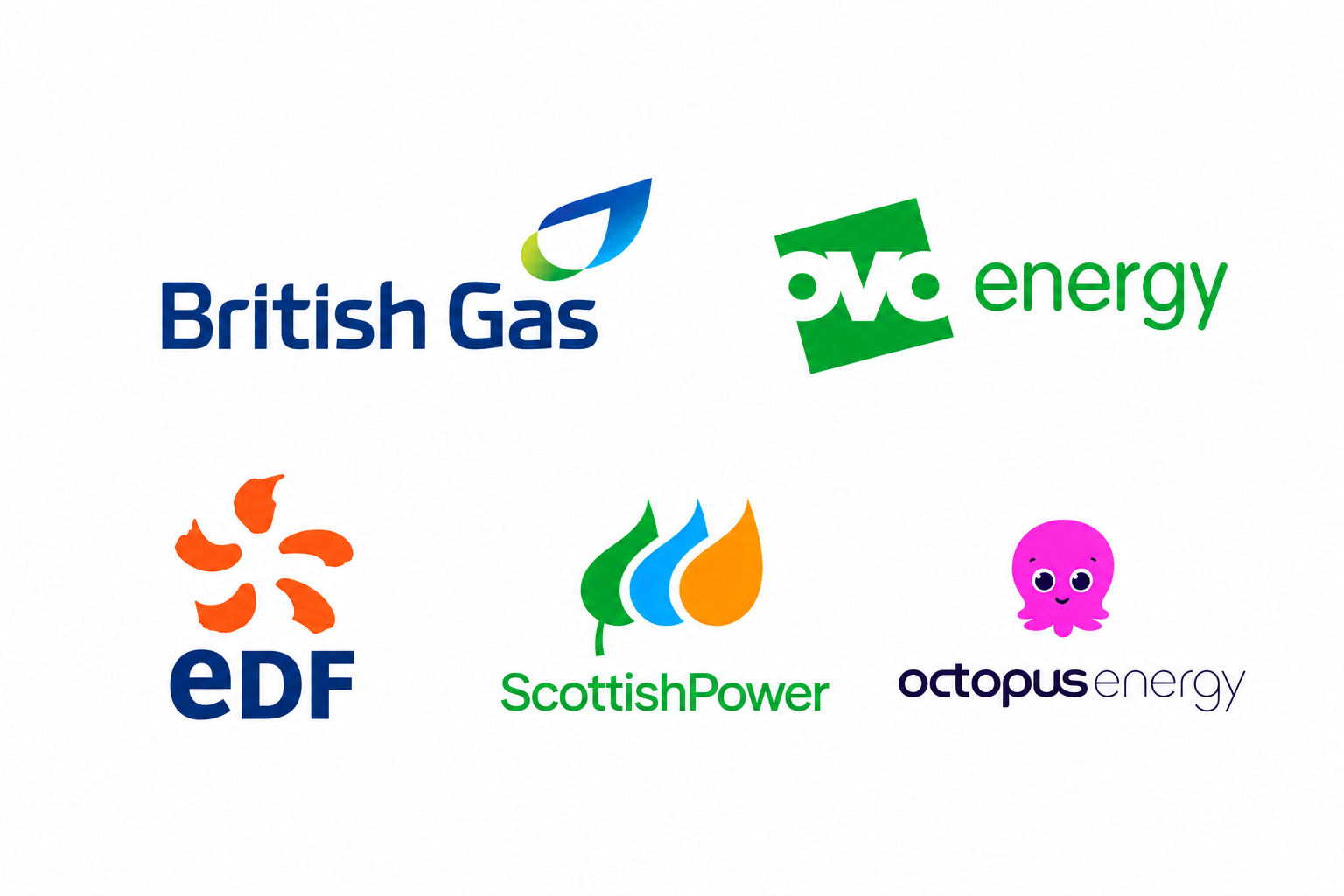
Take a look at these five energy company logos. Which of them stands out the most?
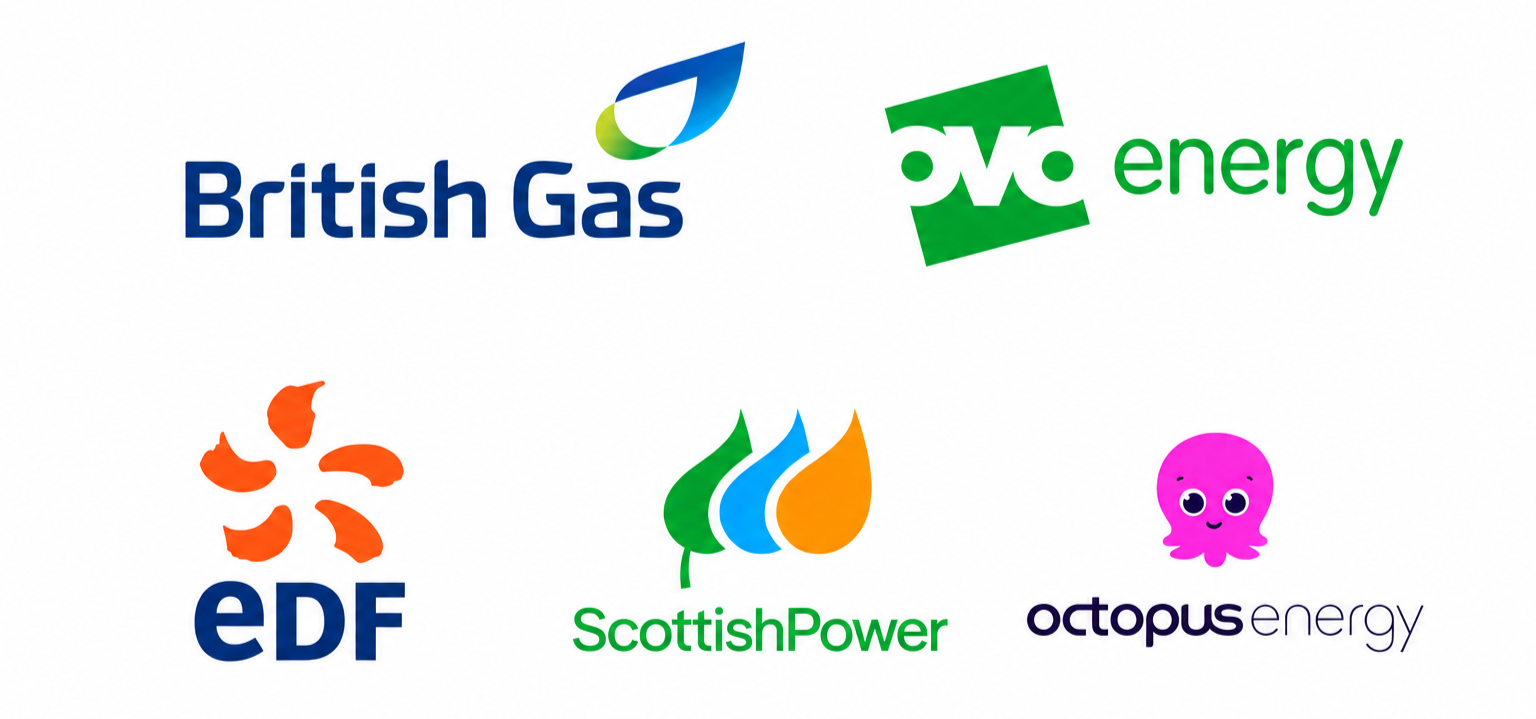
For me (and likely you), it’s the pink, cartoonish octopus. But this isn’t just an example of an attention-grabbing logo. It’s a winning business strategy.
Octopus Energy entered the UK energy market in 2015 and became the UK’s leading energy supplier with 24% market share just 9 years later. The cute, relatable octopus with its friendly tone of voice conveyed an un-corporate, “we’re on your side” feeling that attracted customers and addressed the industry’s low-trust head-on.
That's the power of branding.
In this four-part series, we have explored different facets of creating strong differentiation for your brand in the market. This final article covers how to use branding as one more tool in your differentiation toolbox.
Enduring differentiation is often built on a real performance difference that creates meaningful value for the customer. However, the branding surrounding that difference plays a critical—and sometimes undervalued—role as well.
Whether you are considering using branding as a tool to enhance product differentiation, or whether it’s the primary means you have to differentiate within your category (especially in commodity categories), the following principles still apply.
The Purpose of Branding
First, a clarification on Brand vs. Branding:
I define a brand as the sum total of experiences an individual has with your company or product (see “The Brain’s Guide to Building a Brand”). Therefore, product experience and customer service are critical parts of your brand. When I talk about branding in the context of this article, I mean the choices about personality, tone, visual style, and imagery that surround the product and service experience.
A person decides to buy something based on an emotional response. They trust and believe that thing—whether it’s a product, service, or even an idea—will do something for them. It might solve a problem, create a certain emotion, or fulfill a desire.
Branding creates a relationship with the customer and plays a critical role in enhancing the customer’s trust in a product. Branding is a set of strategic decisions about how your brand talks to people, appears to people, and treats people. These decisions, in turn, affect how people feel about your brand. Branding can be serious, likable, funny, credible, inspirational, or provocative.
It can be easy to dismiss the importance of branding, but these strategic decisions can profoundly affect your ability to achieve your brand goals, just as we saw with Octopus Energy’s rocketship business growth.
Branding decisions can enter the ambiguous territory of potential manipulation, so it’s important to ground your branding in company values: who you are and how you serve your customers.
Because this concept is so powerful, it can be abused. We all have a responsibility to use these marketing concepts responsibly. Before you engender trust and goodwill, you must have a product or service that supports those feelings, not just because it’s the right thing to do, but because disappointing your customers leads to backlash and slower business growth.
Just because you have branding, however, doesn’t mean that branding is differentiated. Here are two strategies to differentiate your branding:
Distinctiveness: Defy Convention
Being distinctive simply means you stand out from other similar options. You achieve this by ignoring or evolving the standard conventions of your category or competitors.
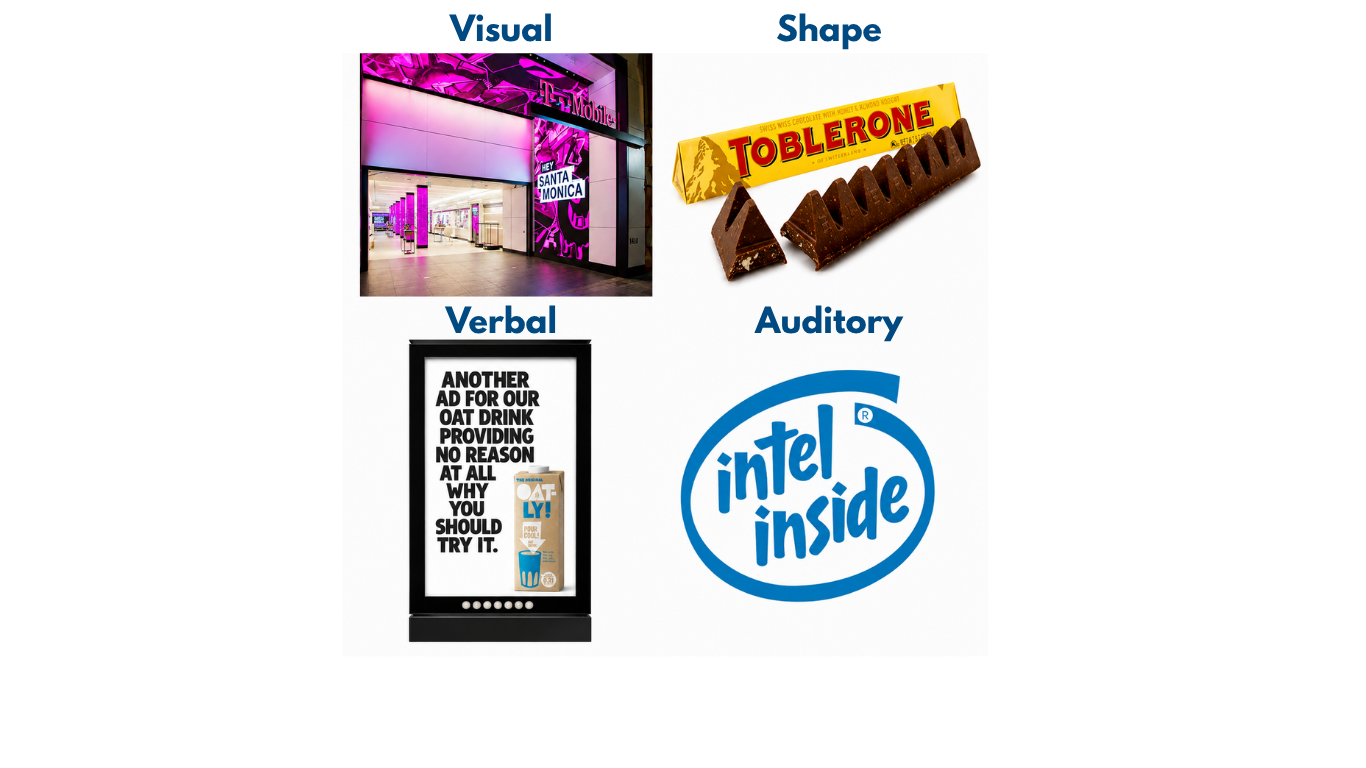
Distinctiveness can be achieved across all your senses, and there are endless ways to combine these elements. A few specific types include:
Visual: This is generally referred to as the “look” of your brand. You can use color (T-Mobile bright pink), typography (Coca-Cola or Nike), imagery through photography or iconography, and composition (Apple’s clean, minimalist design).
Verbal: Vocabulary, sentence structure, and tone of voice imbue a sense of personality that can stand apart from the norm. Think Oatly (punny, provocative) or Chick-fil-A order takers (helpful, friendly).
Auditory and Olfactory: Whether a sound like Intel Inside, a brand jingle like “The Best Part of Wakin’ Up is Folgers in Your Cup,” or a beat like McDonald’s “ba-da bup ba-dah” sound from the I’m Lovin’ It campaign. Fragrances, like the Westin Hotel lobby White Tea scent, are also memorable ways to set yourself apart from competitors.
Shape: Shape blends visual and touch senses. Method’s teardrop bottle or Toblerone’s pyramidal chocolate bar are packaging and product examples that challenged category norms.
Distinctiveness makes your brand inherently more memorable. The isolation effect is a cognitive bias that causes us to better remember an item or concept that stands out among other homogeneous items. For example, a study showed that people remember specific numbers more when they are presented among a list of letters than among a list of numbers, and the same is true for individual letters being remembered more when placed among numbers.
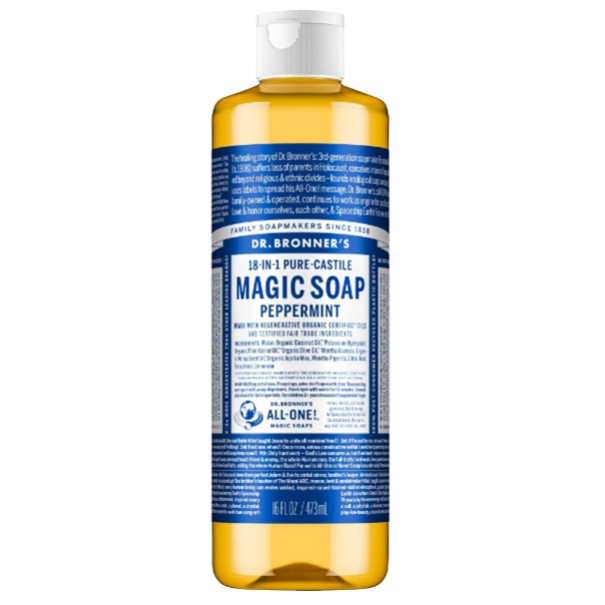
A brand example of the isolation effect is D. Bronner’s, which breaks almost every packaging convention. While most brand designers would tell you to simplify, create white space, and remove extra copy, Dr. Bronner’s fills every inch of space with the company story, places the ingredients front and center on the front label vs. the back, and buries the brand name. And yet, it’s grown from $63 million in revenue to over $220 million in the past 12 years.
While distinctiveness should challenge category norms, it can’t undermine core expectations. For example, a corporate cybersecurity firm with a brand personality that is quirky, playful, and risk-taking would likely deter buyers because it erodes trust.
Humanization: Be Relatable
Companies are often perceived as impersonal and devoid of emotion. Humanizing a brand can make it more relatable. When we apply not only human characteristics and personality to a brand, but also a backstory or a human as the face, the brand cannot easily be copied. Humanization is effective, which is why we see so many companies use it. Jake from State Farm is an attempt to humanize an insurance company through a fictional character. Other examples include:
A mascot: examples include Geico’s gecko, Kellogg’s Tony the Tiger, or the Duolingo Owl
An influential person: the company’s founder or a celebrity spokesperson
Personification: such as the mischievous and funny Chick-fil-A cows
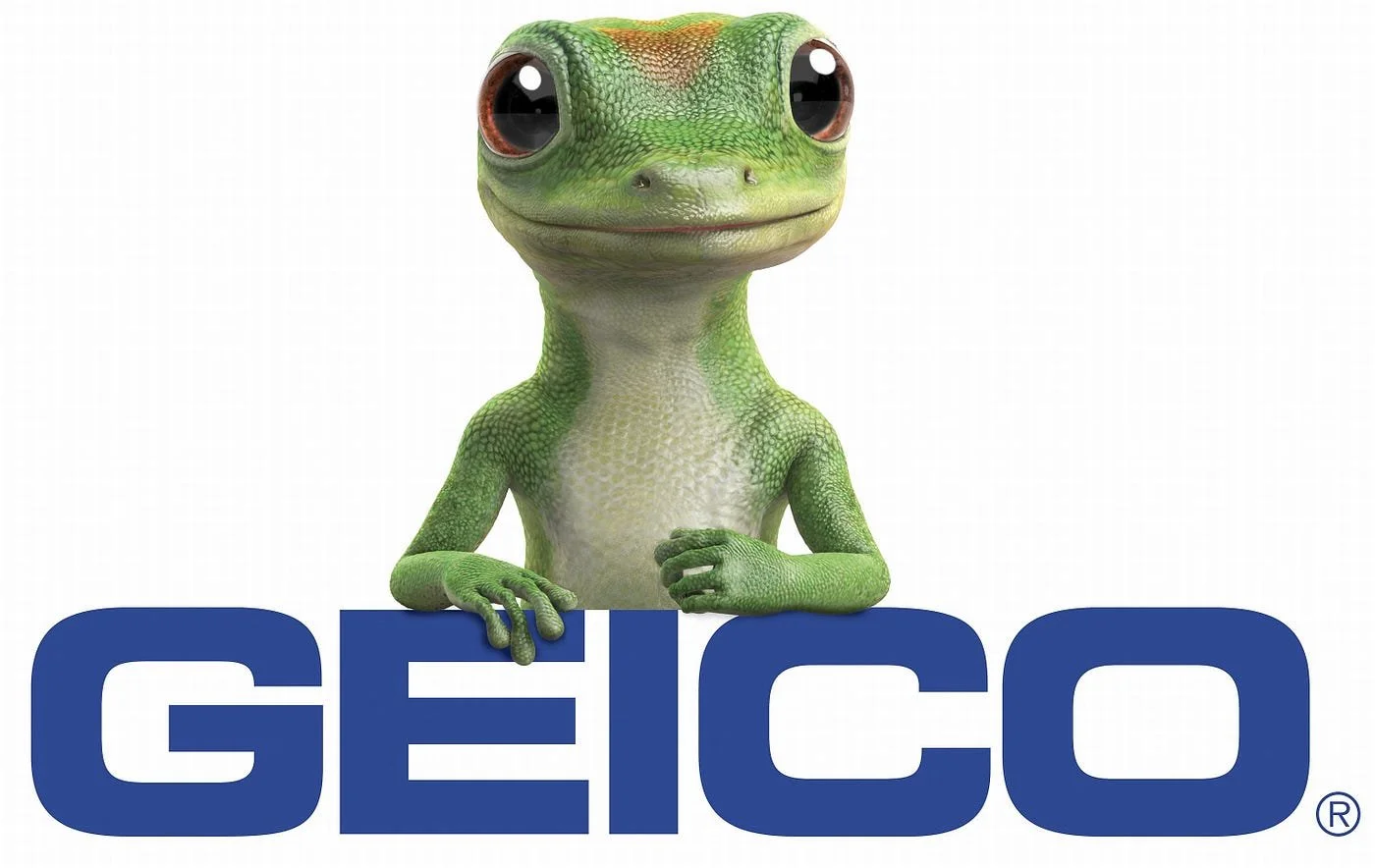
Image Source: Geico
Infuse Branding into the Product Itself
Many of these examples present branding as something independent of the product or service. However, most effective branding doesn’t exist separately from the product—rather, it’s a crucial part of the total experience.
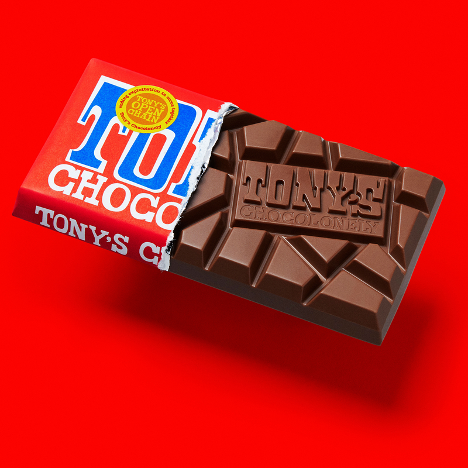
Tony’s Chocoloney built its brand around a mission of eliminating exploitation in the chocolate supply chain. Rather than segmenting the bar into neat, evenly breakable squares, the bar has an uneven pattern that represents the inequality of profits in the chocolate industry. In this way, the brand’s core purpose of standing up against inequality is translated into the shape of the product and the visual identity of the brand.
Octopus Energy, our opening example, has meaningful performance and differentiators around customer service, reliable performance, and renewable energy offerings. However, the playful octopus branding created visibility for those differentiators by increasing relatability and trust and dispelling consumer assumptions that otherwise might have caused it to be dismissed.
Any brand, whether it has a meaningful functional or performance difference, can and should leverage branding. When branding is done well, it becomes inseparable from the product or service experience and is integrated into packaging, customer service, and product innovation. Branding serves as a powerful differentiation strategy when it’s consistent, authentic, and coherent.
Last week, I received an email from someone pitching a guest for my podcast Grow Good. The email mentioned my podcast’s name, a recent guest’s name and quote from their episode, and a thematic connection explaining why the recommended guest was a fit.